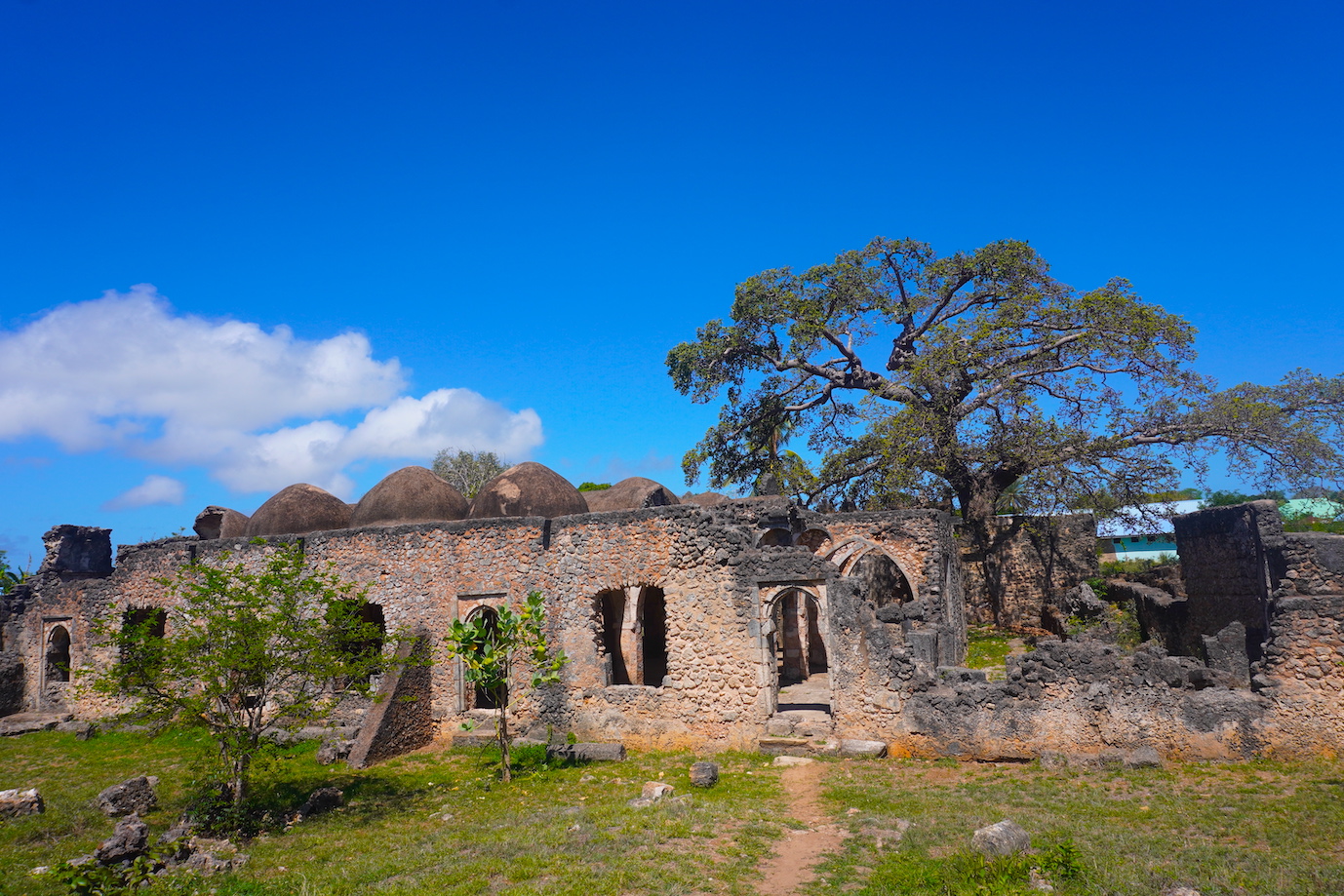
Located within the township of Kilwa Masoko, Kilwa Kisiwani is both the largest and least populated of the area’s nine hamlets, with fewer than 1,000 residents today. Yet, in its medieval prime, this island thrived as a bustling port city of over 10,000 people, renowned across the Indian Ocean for its gold, trade, and powerful sultans. Since 1981, Kilwa Kisiwani — along with nearby Songo Mnara — has been recognized by UNESCO for its outstanding cultural and architectural significance. Coral-stone mosques, grand palaces, and centuries-old ruins still whisper tales of a once-glorious Swahili civilization that connected Africa to Arabia, Persia, and beyond. 🏛 What Makes It Timeless? Nestled off Tanzania’s southern coast lies a quiet island with a thunderous legacy — Kilwa Kisiwani was once the heartbeat of the Swahili Coast’s trading empire. Kilwa Kisiwani was an African port city that linked the continent with Arabia, India, and beyond.[…]
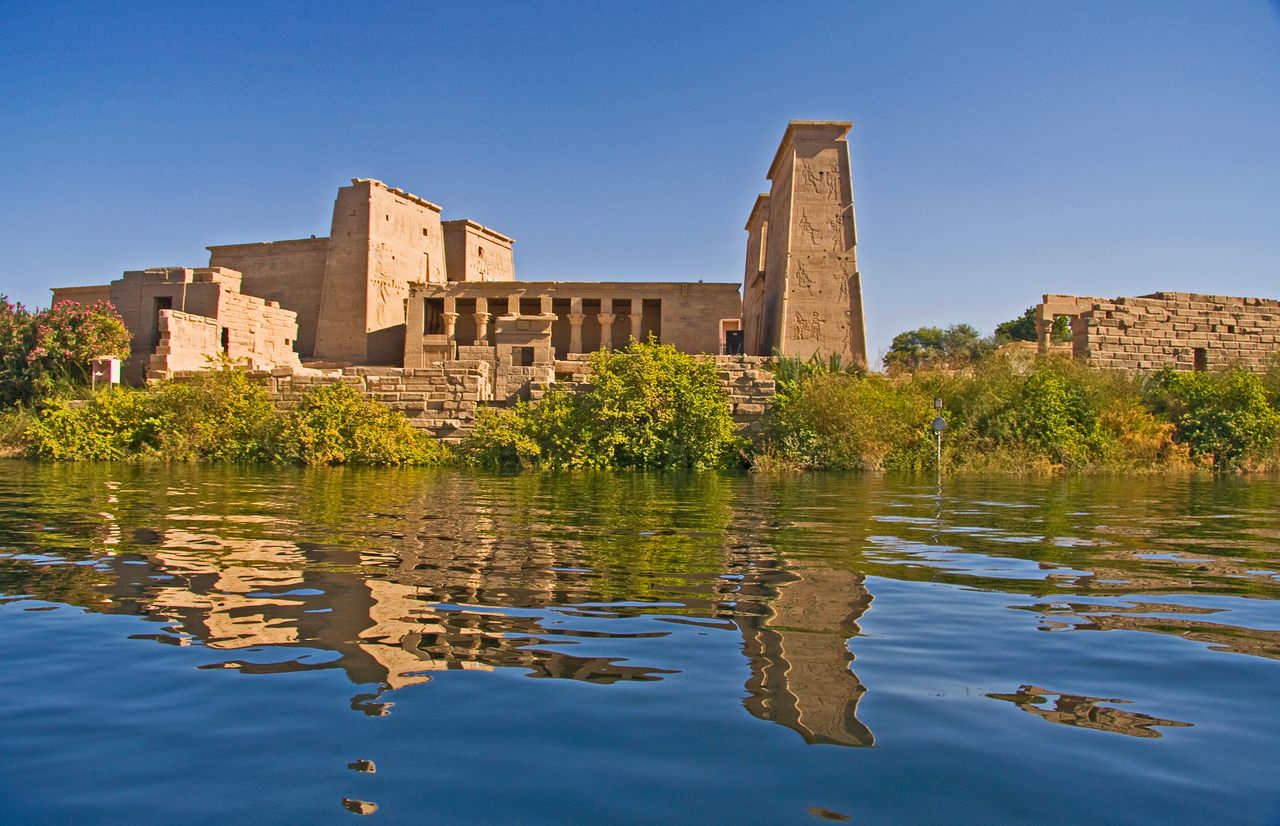
In the heart of northeastern Africa, beyond the Nile’s gentle bends and the shifting sands of the Nubian Desert, lies a forgotten kingdom that defies every expectation — Meroë. Once the glittering capital of the Kingdom of Kush, this sacred city is home to over 200 pyramids, a script still undeciphered, and tales of queens who didn’t just stand beside kings — they ruled as pharaohs. Here, history flips the script. In Meroë, queens ruled as pharaohs, temples stood tall with lion-headed gods, and pyramids multiplied across the desert like stars. This is not the Egypt you’ve heard of — this is Africa, unfiltered. Between the 8th century BCE and the 4th century CE, Meroë thrived as a center of wealth, power, and innovation. Its monarchs — many of them women — led armies, brokered trade with Rome and India, kept their African identity sacred and built a dynasty[…]
In the heart of Mali, where the Bani and Niger Rivers embrace, stands a city sculpted by sun, earth, and spirit — Djenné. Here, the largest mud-brick structure in the world rises not just as a mosque, but as a monument to human ingenuity and divine devotion. The Great Mosque of Djenné is more than architecture — it’s a living legacy. Originally built during the 13th century CE, the Great Mosque of Djenne was rebuilt in 1906, atop centuries of earlier foundations, and remains the largest mud brick building in the world to this day. It is a marvel molded entirely from banco (sun-dried mud and palm sticks). For centuries, Djenné has been a beacon of Islamic scholarship, second only to Timbuktu. Its ancient manuscripts, silent and sacred, whisper knowledge passed from hand to hand, scholar to student, across generations. As you walk its narrow streets and admire its[…]
Tucked into the highlands of northern Ethiopia lies a sacred city carved from stone and steeped in centuries of reverence — Lalibela. Stone by stone, they carved their faith into the mountain. In Lalibela, Ethiopia, eleven churches rise from the earth like prayers turned to stone — ancient, eternal, and breathtaking. Built by King Lalibela and still in use today, these structures challenge everything we’ve been taught about “ancient civilization.” Here, Africa doesn’t whisper. She sings. She sings of builders without blueprints, of stories etched into rock, of a continent rich with soul. Constructed in the 12th century by King Lalibela, these churches defy modern logic. No blueprints. No scaffolding. Just the hands of artisans said to be guided by angels. Legend has it that King Lalibela was divinely instructed in a vision to build a “New Jerusalem” in Ethiopia after Muslim conquests cut access to the Holy Land.[…]
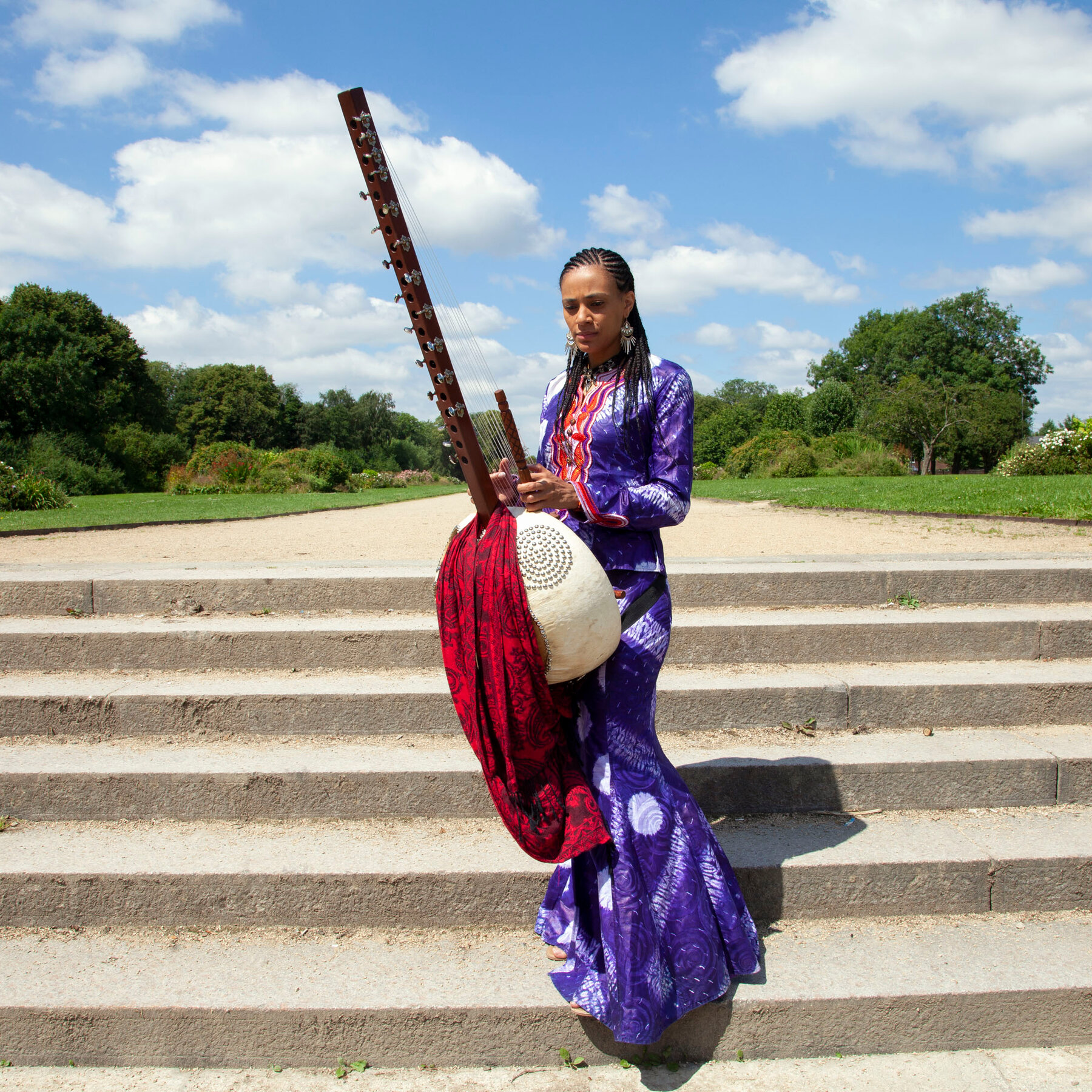
Lalo Kebba Drammeh was a legendary kora player from The Gambia, widely regarded as one of the greatest Mande koramasters of the 20th century. Born, in Kiang Kwinella in the lower river region, he is regarded as the greatest Gambian kora maestro. His virtuosity and deep understanding of traditional Mande music made him a highly respected griot, preserving and passing down centuries-old oral traditions. He was instrumental in popularizing the kora beyond The Gambia, influencing many musicians across West Africa and beyond. His music was deeply rooted in the classical Mande repertoire, yet his improvisational skills and technical mastery set him apart. His ability to blend intricate melodies with profound storytelling made him a sought-after performer and mentor to many younger griots. He adapted the djembeseng, Manding polyrhythmic very involving given by the djembe drums, to the kora. He became famous for adapting to the Kora of Djembeseng (a[…]
The Mande people of West Africa, particularly in modern-day Mali, The Gambia , Guinea, and Senegal, have a deep-rooted tradition of oral history, music, and storytelling. One of the most significant instruments in this tradition is the kora, a revered 21-string harp-lute. Its origins are shrouded in both oral legend and historical accounts, making it a deeply symbolic instrument of the griot (jeli) tradition—the hereditary musicians and historians of the Mande world. While the legend provides a poetic explanation, historians trace the kora’s origins to around the 16th–18th century, particularly within the Kaabu Empire (an offshoot of the Mali Empire). The Kaabu Empire (1537–1867) played a key role in the kora’s spread, as it  was a major cultural and musical center where griots thrived. The Mali Empire (c. 1235–1600), under rulers like Sundiata Keita, relied heavily on griots to preserve history through music and poetry. Although the kora itself might have emerged later in Kaabu, it became the instrument of choice[…]
Have you ever finished a book and thought, How did they write that? We journey into the minds of amazing authors. We explore their creative process. It’s a fascinating world. Think of it like stepping into their writing space. We see their desks, their favorite pens. We feel their energy. It’s about understanding the person behind the words. Their stories become even richer. Join me as we unlock the secrets of storytelling. Words are powerful. They can transport us to different worlds. Authors use language skillfully. They create characters, settings, and emotions. Imagination is the fuel for their creative fire. It allows them to think outside the box. They create something out of nothing. It’s like magic! They weave words into captivating stories. We get lost in their pages. This is the beauty of literature. It expands our minds. It takes us on incredible journeys. Maya Angelou found solace[…]
Arts and aesthetics reflect a people’s traditions, values, practices, pervasive realities, and external relationships. In the traditional African setup, art is intricately bound up with spirituality and culture. Thus Somjee (1992, 49) observes that “… art objects are not mediators of aesthetics but of ritual processes and institutional law that define and maintain relationships of the sexes, age groups, clans, and with neighboring ethnic groups.” The boundary between art, social practice, and spiritual or religious performance is subtle, but real (see Jahn 1968, 57-58). To illustrate this fact, one only has to witness the performance of the following Ifa divination verse: The day Epe was created Was the day Ase became law Likewise, Ohun was born The day Epe was invoked Ase is proclaimed Epe is called But they both still need Ohun (Abiodun 1994, 73). This verse cannot be properly comprehended without acknowledging the Yoruba religious beliefs and[…]
Almost all of Africa’s ancient artistic heritage and natural history collections are preserved in European countries: the United Kingdom, France, Germany, the Netherlands, Vienna, and Belgium. Difficult as it may be to articulate the magnitude of this reality, it is even more difficult to learn how such previous cultural identities were looted and stolen from their birthplace. The restitution of African Art has long been a conversation since the year of Africa, 1960 when the independence movement began. In addition to African art, Africa’s natural history collections contain countless botanical, geological, and human specimens— prestigious unique specimens that were also extracted from Africa. For example, the fossil bones of the largest dinosaur known to the world, a one hundred and fifty million years old fossil that was extracted from Tanzania now displayed in Berlin, Germany since the 1930s. For centuries, Africans have been described as people without history, culture, or civilization and that Africans never invented anything therefore,[…]
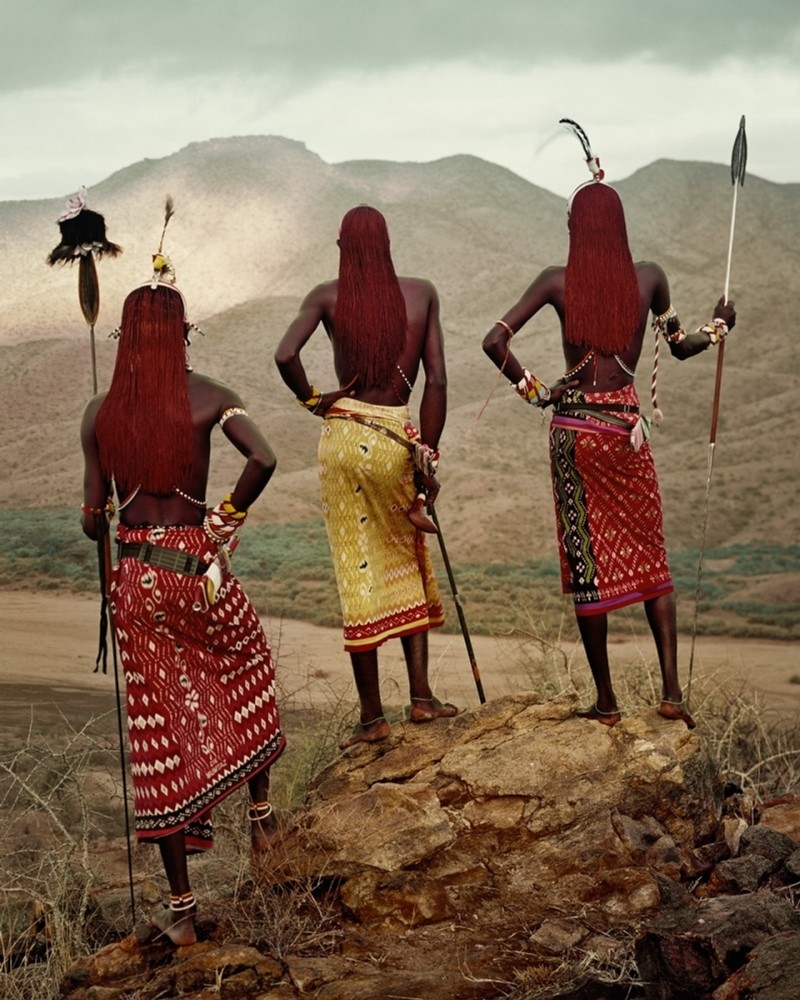
Kenya is renowned for its wealth of wildlife, the sweeping plains of the Maasai Mara, and its white sand beaches. But look beyond these stereotypes, glorious though they are, and one can find a diverse kaleidoscope of ethnicities and tribal groups, far removed from the tourist trail and virtually unchanged for generations. Engaging with new cultures and traditions is one of the essential aspects of our trips. Immersive, energizing, enriching experiences make it even more profound, life-changing, and meaningful, opening a new window into exploring the diverse African continent. As the world continues to be more and more globalized it is becoming increasingly important to safeguard and honor our culture and heritage especially for Indigenous communities as they face new challenges in a changing world constantly pushing them towards conformity to fit into the modern society rather than maintaining and safeguarding their traditions. These traditions such as living customs, performance arts, festive[…]

Your journey to
Africa begins here!

Subscribe to our newsletter to receive exclusive travel tips, postcards, inspiring stories and stay up to date with our latest specials on flights & travel deals. Never miss a beat!

P.S. Before you go check out our most read and popular
newsletter!

Your journey to
Africa begins here!

Thank you, click the button to download your pdf.

African Homecoming

This page is only available for participants. Please login to continue.

Call Now Button