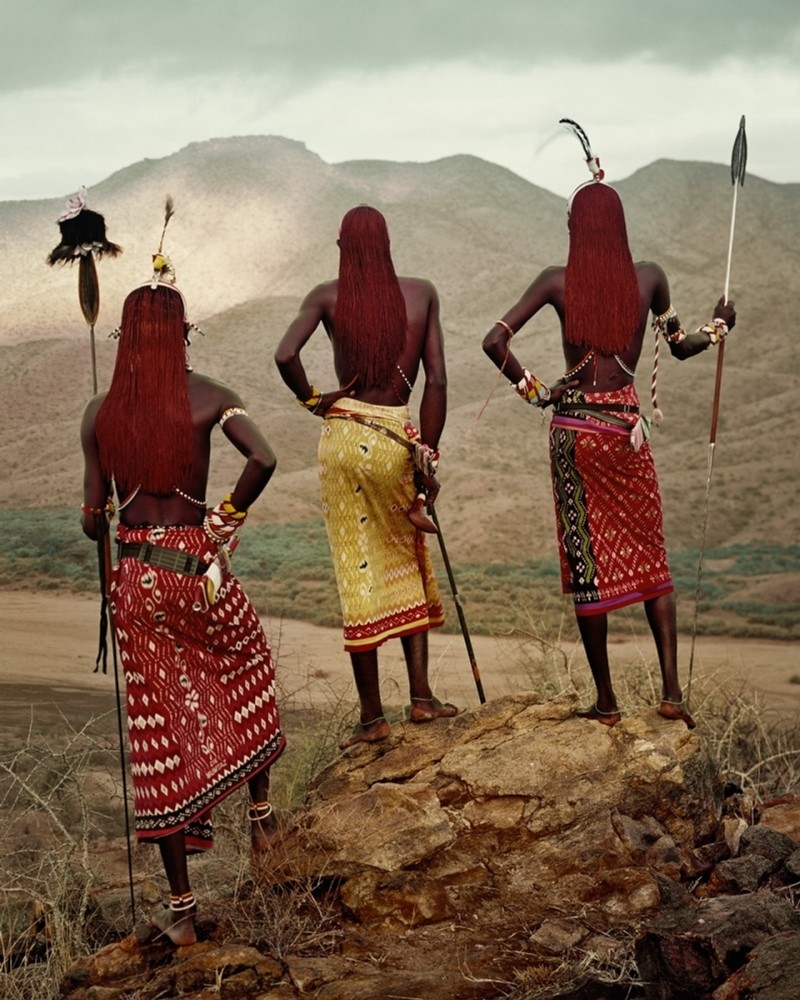
Arts and aesthetics reflect a people’s traditions, values, practices, pervasive realities, and external relationships. In the traditional African setup, art is intricately bound up with spirituality and culture. Thus Somjee (1992, 49) observes that “… art objects are not mediators of aesthetics but of ritual processes and institutional law that define and maintain relationships of the sexes, age groups, clans, and with neighboring ethnic groups.” The boundary between art, social practice, and spiritual or religious performance is subtle, but real (see Jahn 1968, 57-58). To illustrate this fact, one only has to witness the performance of the following Ifa divination verse: The day Epe was created Was the day Ase became law Likewise, Ohun was born The day Epe was invoked Ase is proclaimed Epe is called But they both still need Ohun (Abiodun 1994, 73). This verse cannot be properly comprehended without acknowledging the Yoruba religious beliefs and[…]