Solo travel isn’t just a trip—it’s a quiet transformation. It’s where confidence sharpens, intuition strengthens, and the world mirrors back parts of you that you didn’t know were waiting to be discovered. I’ve always been the friend who travels with a group or brings someone along. My thinking was simple: “If you’re going to pay for a hotel, you might as well bring a friend. Travel is much more fun with people you love.” And that is true. Group trips are beautiful. But there are moments in life when you owe yourself a solo journey—and I highly recommend taking it. My recent solo trip to Paris changed me. I have never felt more inspired, more free, more focused, independent, or self-reliant than I did walking those Parisian streets on my own.   🚇 Public Transportation vs. Taxis: Why the Metro Became My Best Friend On group trips, you usually[…]
Tucked into the southeastern hills of Zimbabwe lies Great Zimbabwe, a monumental city built entirely of stone, without a drop of mortar — and yet still standing after nearly 1,000 years. But beyond its towering granite walls and mysterious conical towers lies a realm of secrets waiting to be unearthed. Great Zimbabwe, constructed between 1100 and 1450, is the ruins of the capital of the Kingdom of Zimbabwe. At its peak, Great Zimbabwe was inhabited by more than 10,000 people and was part of a trading network that extended from the Maghreb, through the eastern coast of Africa, and as far east as India and China. By 1450, the Kingdom of Zimbabwe was abandoned due to deforestation and the depletion of gold in local mines. The monument itself has three complexes: the Hill Ruins, the Great Enclosure, and the Valley Ruins. The most famous of these, the Great Enclosure, is[…]
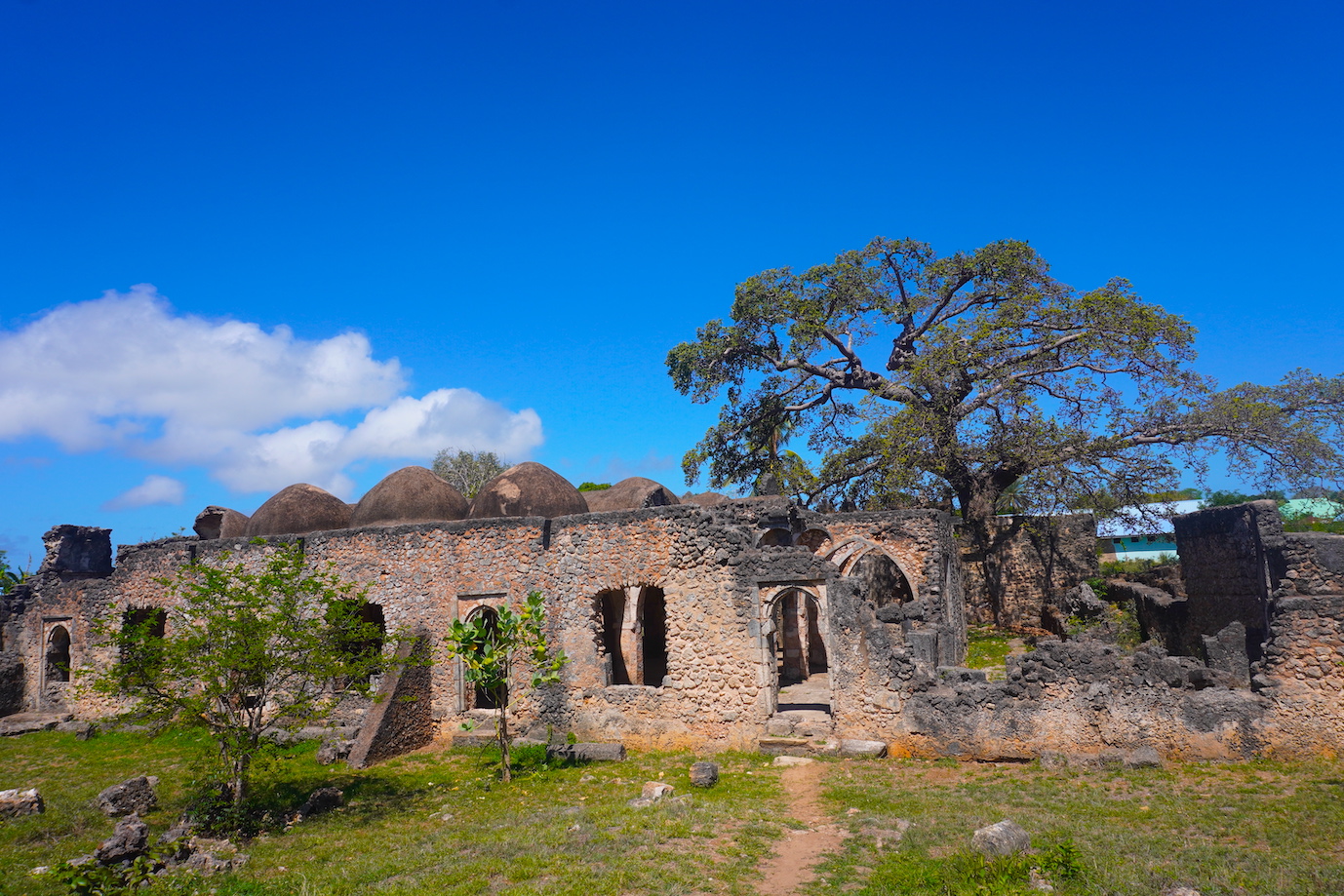
Located within the township of Kilwa Masoko, Kilwa Kisiwani is both the largest and least populated of the area’s nine hamlets, with fewer than 1,000 residents today. Yet, in its medieval prime, this island thrived as a bustling port city of over 10,000 people, renowned across the Indian Ocean for its gold, trade, and powerful sultans. Since 1981, Kilwa Kisiwani — along with nearby Songo Mnara — has been recognized by UNESCO for its outstanding cultural and architectural significance. Coral-stone mosques, grand palaces, and centuries-old ruins still whisper tales of a once-glorious Swahili civilization that connected Africa to Arabia, Persia, and beyond. 🏛 What Makes It Timeless? Nestled off Tanzania’s southern coast lies a quiet island with a thunderous legacy — Kilwa Kisiwani was once the heartbeat of the Swahili Coast’s trading empire. Kilwa Kisiwani was an African port city that linked the continent with Arabia, India, and beyond.[…]
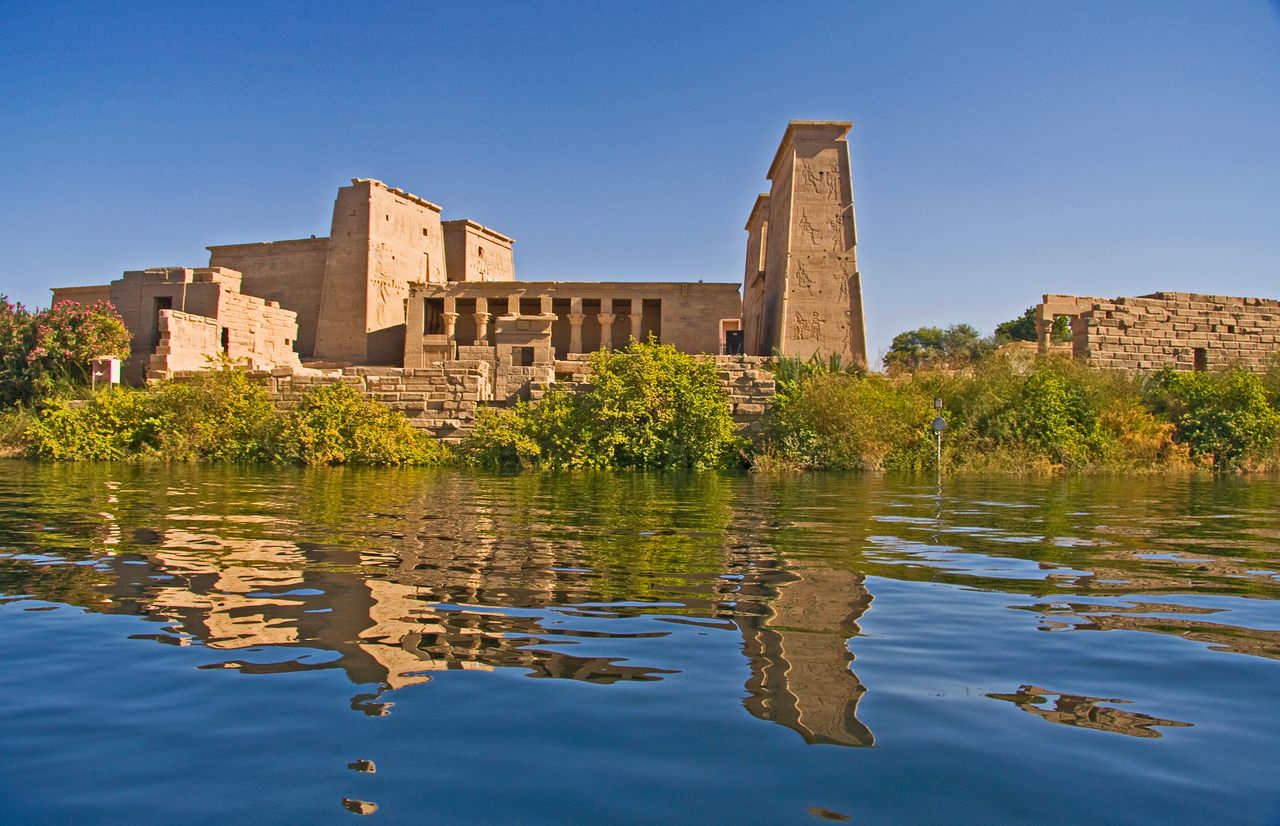
In the heart of northeastern Africa, beyond the Nile’s gentle bends and the shifting sands of the Nubian Desert, lies a forgotten kingdom that defies every expectation — Meroë. Once the glittering capital of the Kingdom of Kush, this sacred city is home to over 200 pyramids, a script still undeciphered, and tales of queens who didn’t just stand beside kings — they ruled as pharaohs. Here, history flips the script. In Meroë, queens ruled as pharaohs, temples stood tall with lion-headed gods, and pyramids multiplied across the desert like stars. This is not the Egypt you’ve heard of — this is Africa, unfiltered. Between the 8th century BCE and the 4th century CE, Meroë thrived as a center of wealth, power, and innovation. Its monarchs — many of them women — led armies, brokered trade with Rome and India, kept their African identity sacred and built a dynasty[…]
In the heart of Mali, where the Bani and Niger Rivers embrace, stands a city sculpted by sun, earth, and spirit — Djenné. Here, the largest mud-brick structure in the world rises not just as a mosque, but as a monument to human ingenuity and divine devotion. The Great Mosque of Djenné is more than architecture — it’s a living legacy. Originally built during the 13th century CE, the Great Mosque of Djenne was rebuilt in 1906, atop centuries of earlier foundations, and remains the largest mud brick building in the world to this day. It is a marvel molded entirely from banco (sun-dried mud and palm sticks). For centuries, Djenné has been a beacon of Islamic scholarship, second only to Timbuktu. Its ancient manuscripts, silent and sacred, whisper knowledge passed from hand to hand, scholar to student, across generations. As you walk its narrow streets and admire its[…]

Your journey to
Africa begins here!

Subscribe to our newsletter to receive exclusive travel tips, postcards, inspiring stories and stay up to date with our latest specials on flights & travel deals. Never miss a beat!

P.S. Before you go check out our most read and popular
newsletter!

Your journey to
Africa begins here!

Thank you, click the button to download your pdf.

African Homecoming

This page is only available for participants. Please login to continue.

Have you struggled
with planning a
trip to Africa?

Better yet, how about where to begin in the first place?

Call Now Button