
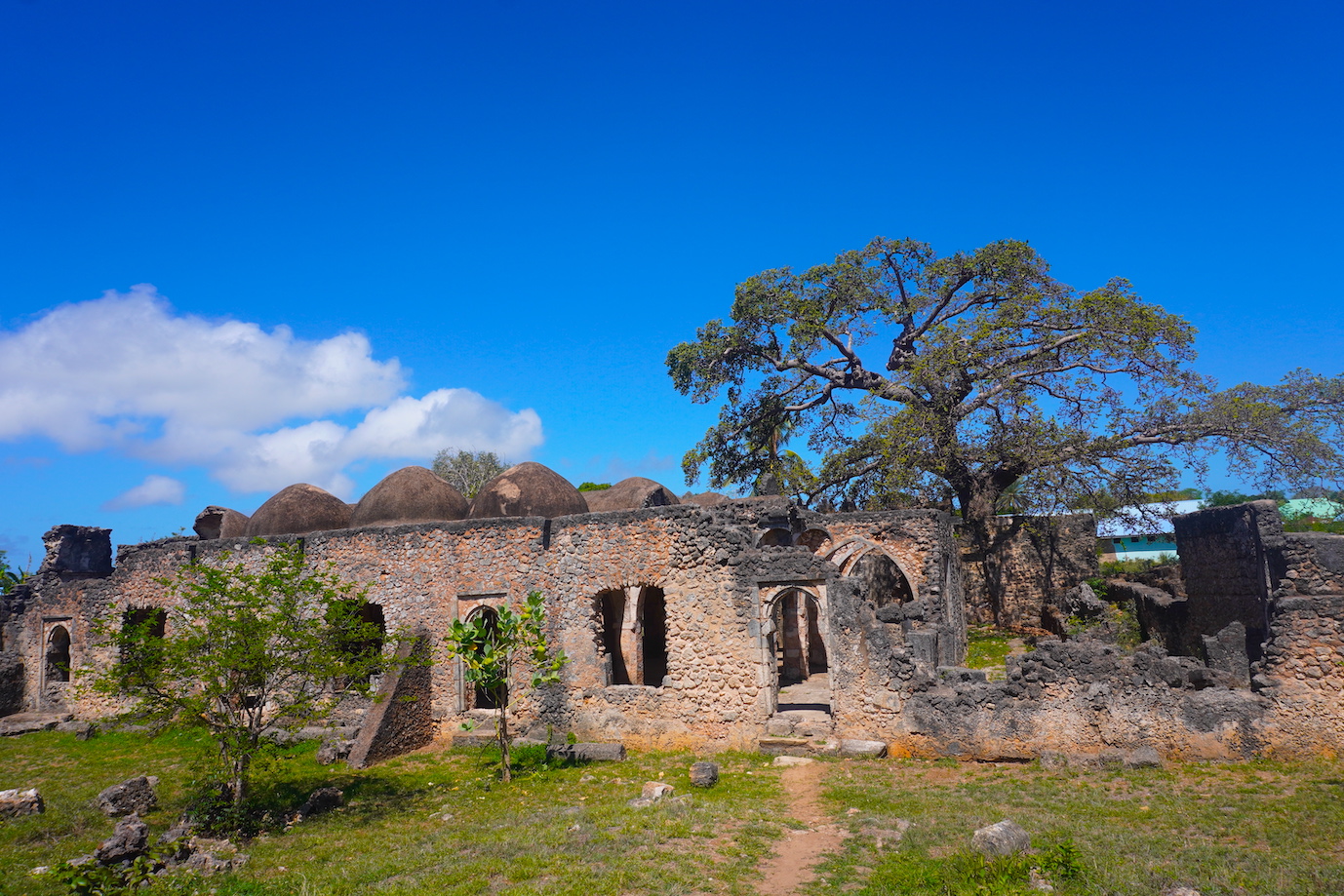
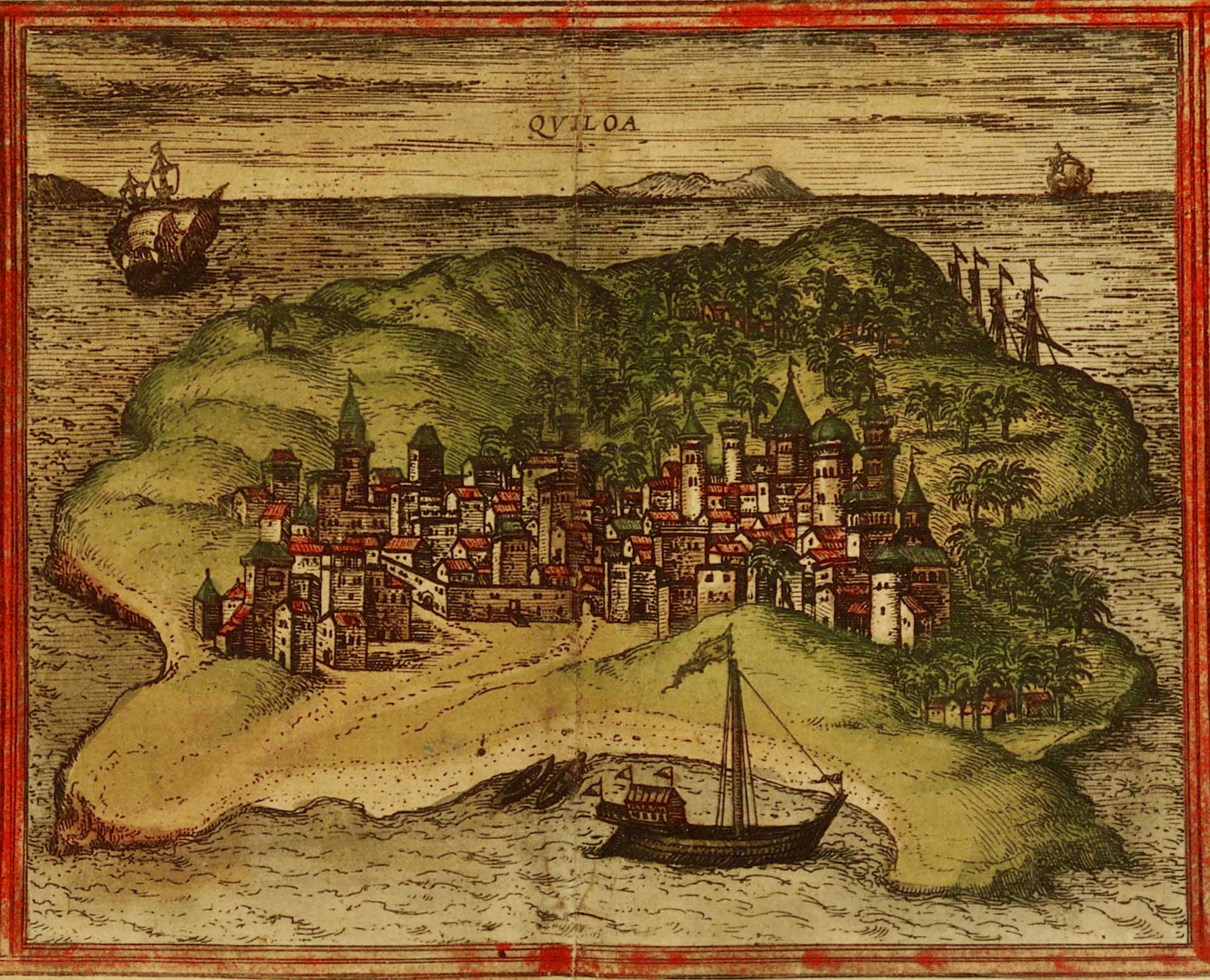
Located within the township of Kilwa Masoko, Kilwa Kisiwani is both the largest and least populated of the area’s nine hamlets, with fewer than 1,000 residents today. Yet, in its medieval prime, this island thrived as a bustling port city of over 10,000 people, renowned across the Indian Ocean for its gold, trade, and powerful sultans.
Since 1981, Kilwa Kisiwani — along with nearby Songo Mnara — has been recognized by UNESCO for its outstanding cultural and architectural significance. Coral-stone mosques, grand palaces, and centuries-old ruins still whisper tales of a once-glorious Swahili civilization that connected Africa to Arabia, Persia, and beyond.
🏛 What Makes It Timeless?
Nestled off Tanzania’s southern coast lies a quiet island with a thunderous legacy — Kilwa Kisiwani was once the heartbeat of the Swahili Coast’s trading empire. Kilwa Kisiwani was an African port city that linked the continent with Arabia, India, and beyond. At its peak in the 13th–15th centuries, it rivaled any medieval city for wealth and global influence. Here, African architecture meets Islamic artistry — grand mosques, majestic palace ruins, and ocean-kissed coral walls all tell of a time when East Africa shaped the world’s economy through gold, ivory, and intellect. At first glance, it may seem like a scattering of sun-bleached ruins, but look closer… and you’ll see an African civilization that rewrote the rules of power, trade, and prestige.
🌍 A Hidden Empire of Influence
Long before European powers sailed the Indian Ocean, Kilwa was the pulse of a global trade network. Gold from Great Zimbabwe, pearls, ivory, Chinese porcelain, and Persian silks flowed through its harbors. The city minted its own coins — some of which have been found as far away as Oman and the Arabian Peninsula, revealing the sheer reach of Kilwa’s influence. Historians only confirmed the African origin of these coins in the 20th century — before then, many assumed such wealth and sophistication couldn’t have come from a Black African civilization. Kilwa continues to challenge colonial-era misconceptions about Africa’s past. Kilwa was so wealthy that 14th-century traveler Ibn Battuta called it “one of the most beautiful and well-constructed cities in the world.” Today, its quiet ruins still pulse with the rhythm of that greatness.
🕌 The Great Mosque — And What Lies Beneath
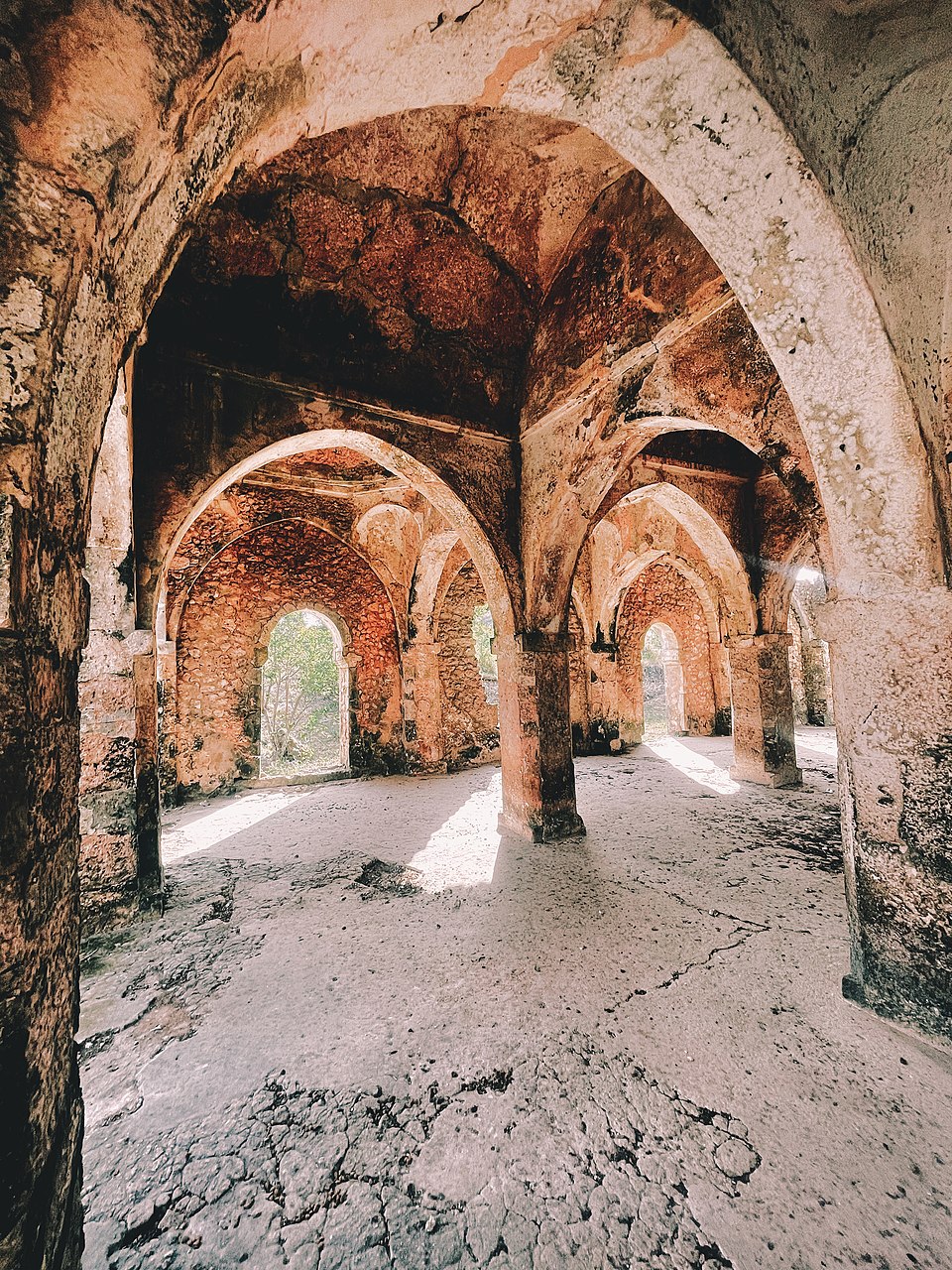
Kilwa’s Great Mosque, built from coral stone, is believed to be the oldest surviving mosque on the East African coast. But archaeologists suspect even older ruins lie beneath it — temples and prayer halls layered like pages in a book that’s only now being read. Some believe Kilwa’s mosque was once a gathering point for mystics and astronomers. The mosque’s layout subtly aligns with celestial events, suggesting a deeper spiritual intelligence woven into its design.
👑 Where Queens Were Quietly Powerful
Though the city was ruled by sultans, oral histories whisper of powerful women who shaped diplomacy behind the scenes — traders, poets, and matriarchs who managed networks of influence. Some believe a powerful queen once ruled in the shadows during the 13th century, though no official records remain. The title “Malkia” (Queen) still lingers in local legends, and some believe the ruins of Husuni Kubwa — the vast palace overlooking the sea — held chambers reserved exclusively for royal women’s councils.
🗝️ Secret Tunnels and Coral Chambers
Kilwa’s architecture is full of mystery — subterranean coral chambers, narrow tunnels, and hidden prayer alcoves. Some ruins have yet to be fully excavated. Locals speak of an underground water reservoir connected to the palace that never ran dry — a marvel of ancient engineering that supplied clean water in times of siege. Rumors abound of an underground tunnel that once led from the palace to the sea — used for secret trade missions or escape routes in times of political upheaval.
Why Kilwa Still Matters
Kilwa isn’t just a ruin — it’s a reclamation of narrative. It reminds us that Africa wasn’t waiting for civilization to arrive. It was already innovating, trading, building, and dreaming — in its own coastal language, style, and rhythm.
🌍 Why Visit with Trailblazer Travelz?
• Walk through the ruins of the Great Mosque of Kilwa, one of the oldest standing mosques on the East African coast.
• Stand where sultans once ruled, under arches carved from coral stone.
• Learn the legacy of Swahili culture through expert storytelling, music, and cuisine.
• The Palace of Husuni Kubwa — a 14th-century marvel of Islamic-African architecture once home to powerful sultans.
• Ancient coral ruins — still standing proud against time and tide, whispering stories in Swahili.
• Walk the same streets as African kings, merchants, and poets.
• Engage with Swahili historians who bring the island’s legacy to life.
• Sail in traditional dhows and dine under the stars with fresh coastal cuisine.
Best Time to Visit:
June to October – Tanzania’s dry season offers the best conditions for island visits and exploring ruins.
Hungry for more?
Keep discovering the heart of Africa — one legendary tale, one sacred site, one timeless wonder at a time.
Continue the journey and explore more stories that bring the continent’s soul to life.


